Power Out for Days After a Gulf Coast Hurricane? How a Standby Generator Keeps You Running
July 7, 2026
Quick Answer: A standby generator is a permanently installed unit wired into your home's electrical system that senses an outage and restores power on its own, usually within seconds, through an automatic transfer switch. It runs on natural gas or propane, so there is no gasoline to store or refuel during a storm, and it exercises itself on a weekly self-test to stay ready. After a hurricane knocks out the grid for days, it keeps essential circuits, or your whole house, powered without you touching a thing.
The storm has passed, the wind has died down, and the neighborhood is quiet in a way it never is. No hum of air conditioners. No refrigerators cycling. Just heat building inside the house, phones draining, and a utility map showing your area shaded dark with no restoration time posted. Along the Gulf Coast, this is the part of a hurricane that outlasts the storm itself: the days without power that follow.
It is not a rare scenario here. When Hurricane Ian crossed Florida in 2022, more than 2.7 million customers lost power, roughly 25 percent of all electricity customers in the state, according to state emergency management figures reported in peer-reviewed research. Duke Energy restored about a million customers in the days after the storm, but full restoration stretched from days into weeks in the hardest-hit areas. If you have lived through even one of these seasons in Sarasota, Bradenton, or out on the barrier islands, you already know the outage is the part that wears you down. A standby generator is the equipment built to carry a home through it, and here is how it actually works.
What a Standby Generator Is, and How It Differs From the One in the Garage
The Automatic Transfer Switch: The Brain That Makes It Automatic
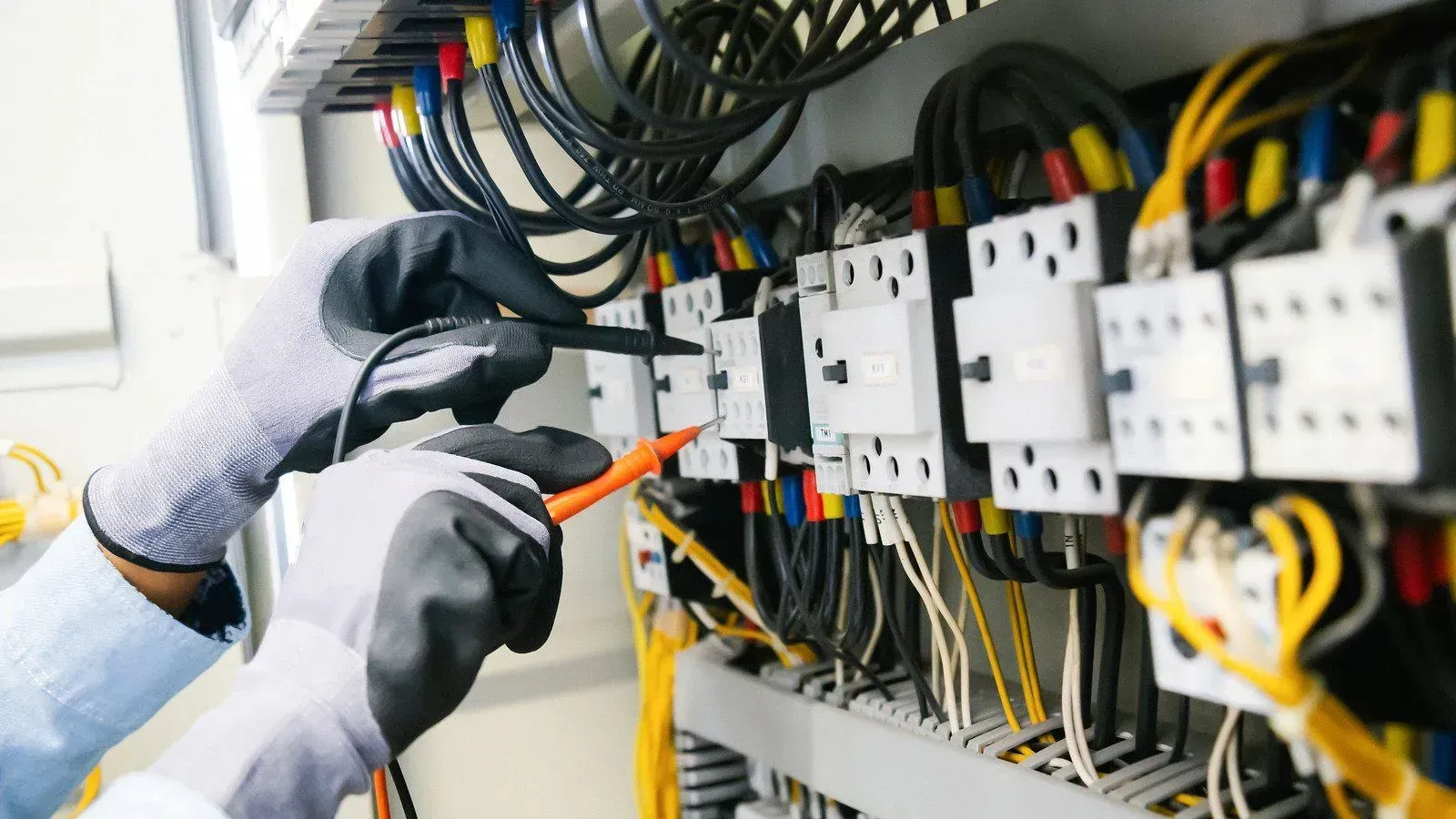
The piece that turns a generator into a hands-off system is the automatic transfer switch, and it is worth understanding because it is doing the real work.
Constant monitoring
The transfer switch watches the utility power coming into your home around the clock. It never sleeps. It is checking voltage and frequency continuously, so it knows the instant the grid drops, whether that is a total blackout or the kind of voltage sag that comes as a storm takes down lines nearby.
A fast, automatic handoff
When the switch detects that utility power has failed, it signals the generator to start, and once the generator is producing stable power, it transfers your home's electrical load over. This whole sequence typically happens within seconds. You do not flip anything. Whether you are home, at work, or evacuated inland, the system carries out the handoff on its own. When utility power returns and holds steady, the switch reverses the process, moves your home back onto the grid, and lets the generator shut down after a short cool-down.
Break-before-make, for a reason
A good transfer switch uses what is called a break-before-make design. It fully disconnects your home from the utility lines before it connects you to generator power, so the two sources are never joined. This is why pros insist on a proper transfer switch rather than any improvised connection: it prevents backfeeding, where generator power flows backward into the utility lines. Backfeeding can energize lines that crews believe are dead and put the workers restoring your neighborhood at serious risk. The transfer switch exists so that never happens.
Tip: When you think about what to put on the generator during design, walk the house and list what genuinely has to keep running through a multi-day outage: the refrigerator and freezer, enough lighting to move safely, a few outlets for phones and medical devices, and at least some cooling in Gulf Coast heat. Sharing that list up front helps size the unit to your real needs instead of guessing.
What the Generator Actually Keeps Running
It helps to picture the difference in concrete terms rather than in the abstract.
Warning: A standby generator relies on fuel and moving parts, and it will not save you during a storm if it fails to start when the grid finally drops. Units are designed to run a weekly self-test so they exercise the engine and stay ready, but that self-test is not a substitute for annual professional service. Skipping maintenance is the most common reason a generator sits silent during the one outage it was bought for. Treat it like the engine it is and keep it serviced before storm season, not during it.
Placement, Safety, and the Details That Get Overlooked
The essentials, at minimum
Even a system sized for essential circuits keeps the refrigerator and freezer cold so you are not throwing out a week of food, keeps enough lights on to live normally after dark, and keeps outlets live for charging phones, running fans, and powering medical equipment like a CPAP or a nebulizer. For a lot of households, that alone is the line between coping and struggling.
Cooling and the whole house, when sized for it
A larger standby unit can carry central air conditioning, well pumps, and effectively the entire home, so daily life continues close to normal while the grid is down for the rest of the block. In Florida heat, the ability to keep the AC running is often the single feature homeowners care most about, and it is a real driver of how these systems get sized.
Security and connectivity
An outage also takes down alarm systems, electric gates, garage doors, and internet equipment. Standby power keeps those alive too, which matters when a neighborhood is dark and half-empty for days after a storm.
The permanent install
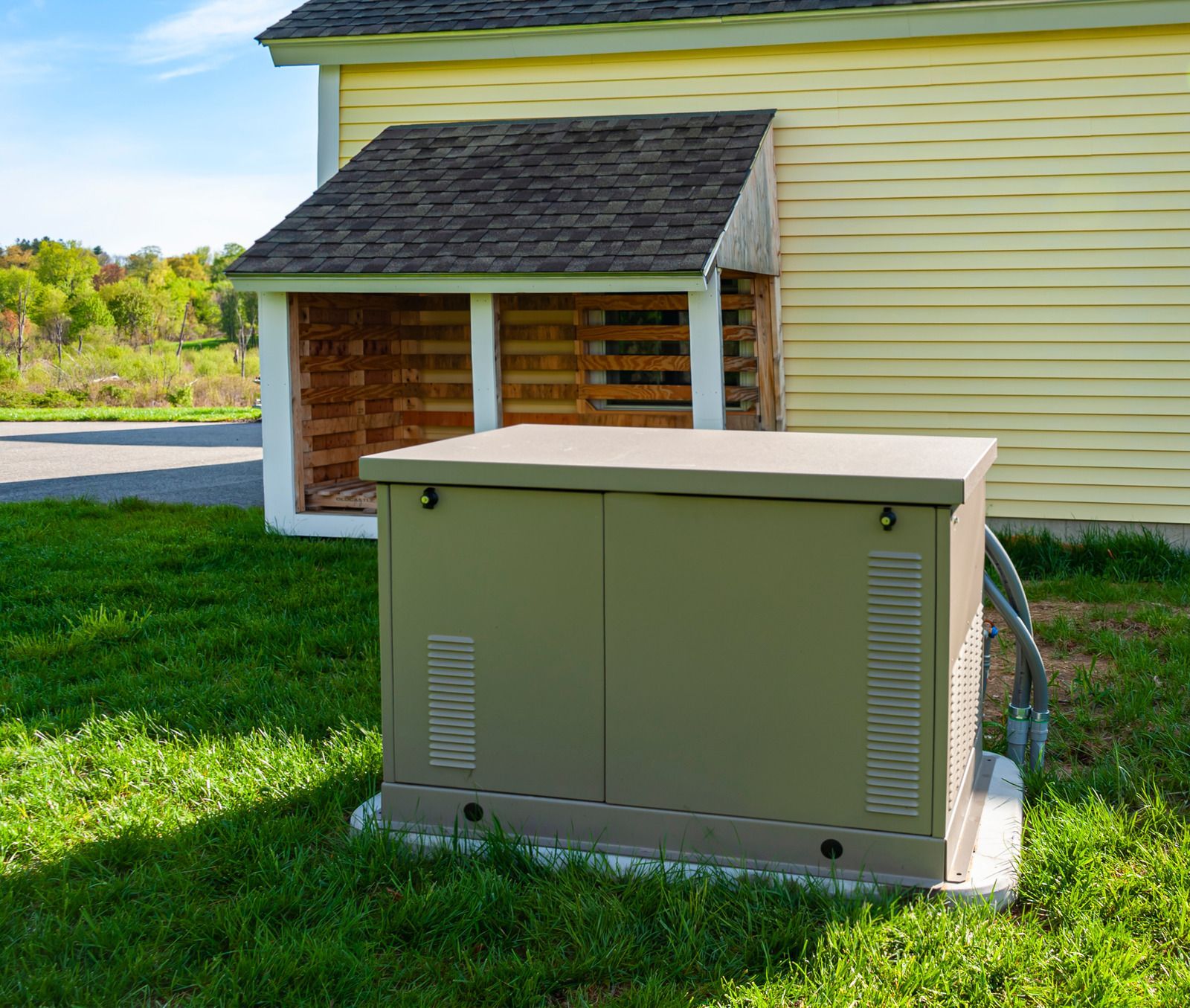
A standby generator is not the portable unit you wheel out and yank a cord to start. It is a permanently installed machine that sits outside on a pad, wired directly into your home's electrical system, sized and placed for your specific house. Think of it sitting there much like your outdoor AC condenser, quiet until the moment it is needed. Because it is hardwired in, it does not need extension cords snaking through a window, and it does not ask you to go outside in the wind and rain to get power flowing.
A standby generator is an engine that burns fuel, which means where and how it is installed matters as much as the unit itself.
Exhaust and clearances
Any fuel-burning generator produces carbon monoxide, an invisible, odorless gas that is dangerous indoors. That is why these units are installed outdoors with clearance from windows, doors, and air intakes, and why the U.S. Consumer Product Safety Commission has emphasized keeping generators well away from the home, with federal guidance pointing to a minimum distance for portable units of 25 feet. A standby unit's placement is planned during installation to keep exhaust moving away from the house and openings, not toward them.
Coastal conditions
Salt air along the Gulf Coast is hard on outdoor equipment. Corrosion at connections, enclosures, and the transfer switch is a real factor here in a way it is not inland, which is part of why placement, enclosure choice, and ongoing inspection carry extra weight on coastal and island properties.
Fuel and connection work
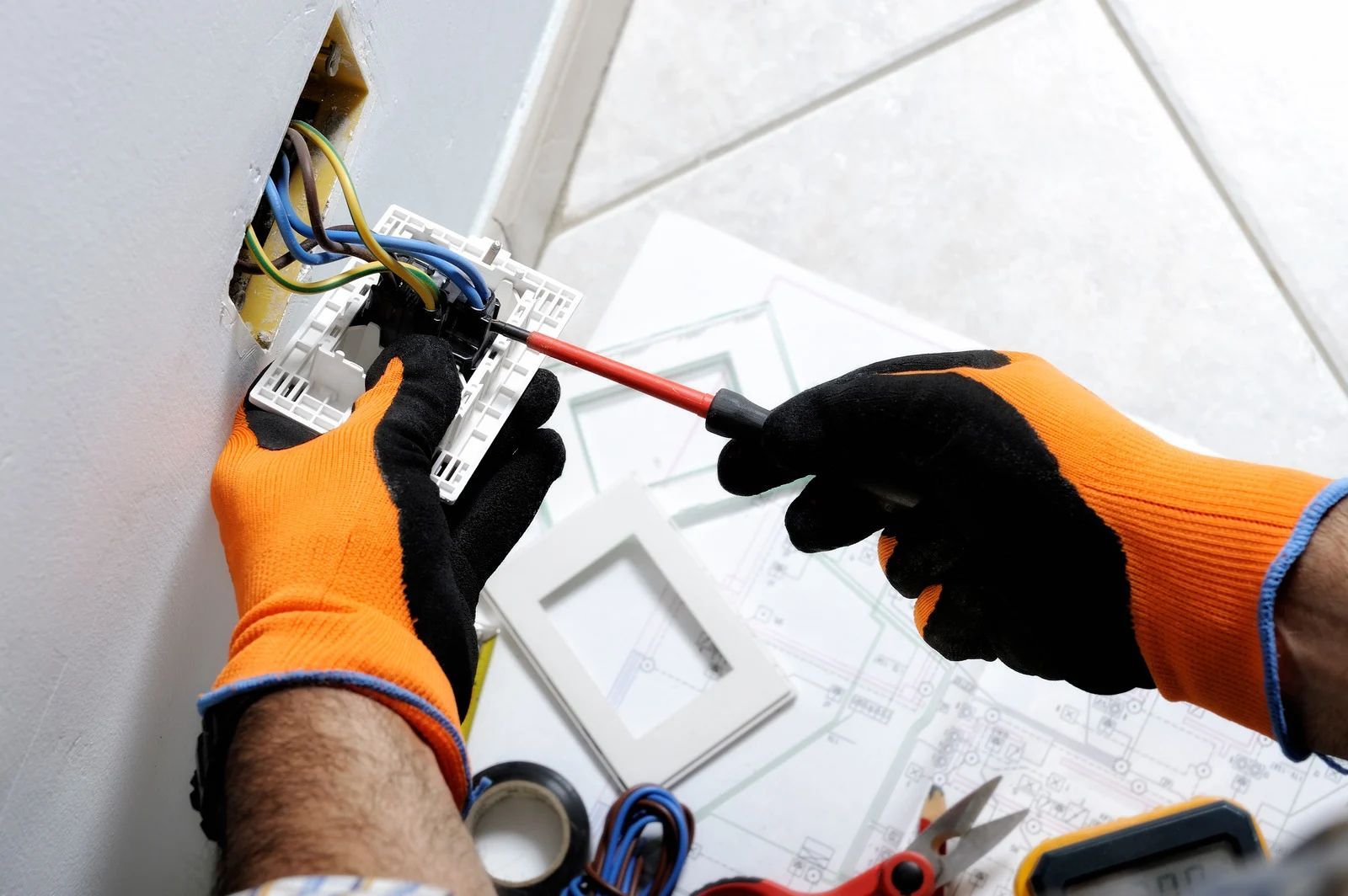
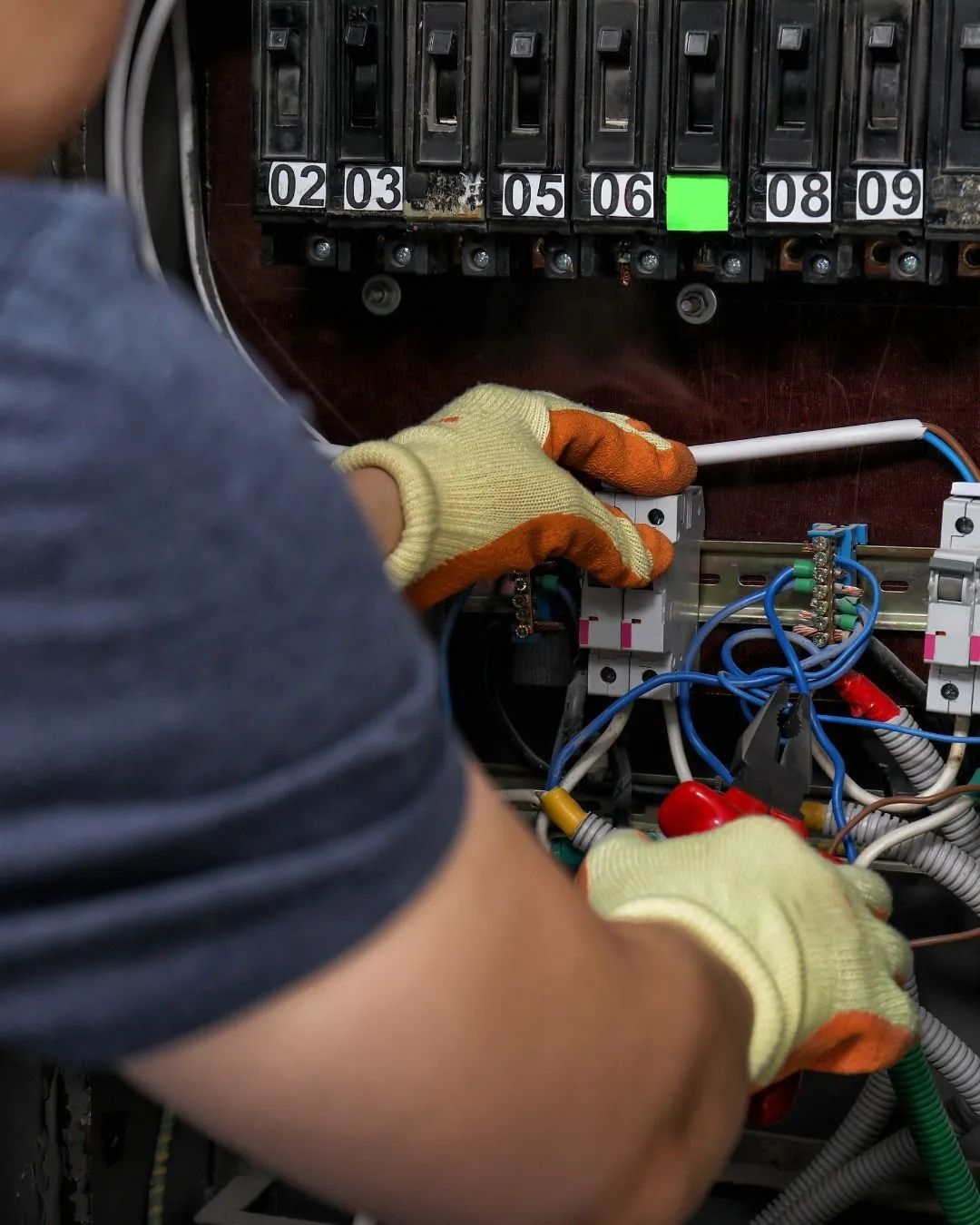
Tying a generator into a natural gas or propane supply and into the home's electrical panel through a transfer switch is not a casual project. It involves the main panel, the fuel system, and grounding, all of which is why it is done by licensed pros who size the unit, set the transfer switch, and verify the whole system starts and carries load before a storm ever tests it.
Fuel that does not run out mid-storm
Standby units typically run on natural gas or propane. If your home already has a natural gas line for a furnace, water heater, or range, the generator can tap that same supply, which gives it a continuous fuel source that does not depend on you making a run to a gas station. On a propane setup, it draws from a tank on the property. Either way, there is no gasoline to store in cans, no refueling every few hours through the night, and no waiting in line at a station that may have no power to pump. During a multi-day outage, that difference is the whole point.
Sized for your home, not for one appliance
A portable generator generally powers a few things through cords or a small transfer setup. A standby unit is sized during design to run either your essential circuits, refrigerator, some lighting, a few outlets, and the systems you cannot do without, or your entire home, depending on the capacity chosen. That sizing is deliberate, because a unit asked to carry more than it can handle will struggle, and one oversized for the load is a poor match too.
Frequently Asked Questions
How fast does a standby generator restore power after an outage?
A standby generator typically restores electricity within seconds after detecting a utility outage. The automatic transfer switch starts the generator, transfers electrical loads safely, and restores essential household power without requiring homeowner involvement or manual operation.
Do I have to be home to start it during a hurricane?
No. Standby generators operate automatically whether you are home, away, or evacuated. The transfer switch detects outages, starts the generator, powers your home, and reconnects utility service automatically once electrical power returns after storms safely.
What fuel does a standby generator use?
Most residential standby generators operate using natural gas or propane instead of gasoline. These permanent fuel supplies provide dependable backup power during extended outages without requiring frequent refueling, making them practical for long-lasting emergency electrical service.
Can it run my air conditioning during a summer outage?
Yes, if the standby generator is properly sized for your home's electrical demand. Larger systems can support central air conditioning, while smaller systems typically prioritize essential circuits to prevent overloading during prolonged power outages safely.
How is it different from a portable generator?
Standby generators remain permanently installed, start automatically, connect directly through transfer switches, and use natural gas or propane. Portable generators require manual setup, gasoline refueling, extension cords, and homeowner operation during electrical outages and emergencies.
Does a standby generator need maintenance?
Yes. Standby generators perform automatic self-tests, but regular professional maintenance remains essential. Annual inspections verify engine performance, electrical connections, fuel delivery, and system reliability, ensuring dependable operation before severe weather and unexpected power outages occur.
Riding Out the Next Long Outage on Your Own Power
A hurricane's damage does not end when the wind stops. The days of darkness that follow, the heat, the spoiled food, the drained phones, and the utility map with no restoration time, are the part a home has to be built to withstand. A standby generator is the equipment made for exactly that: a permanently installed unit that senses the outage, starts on its own within seconds through a transfer switch, runs on a fuel supply that does not need refilling, and keeps your essentials or your whole house running while the grid is down for days. It only does that reliably, though, when it is sized correctly, placed safely, and maintained before the season rather than during it.
Plan your standby generator install before hurricane season — Have a licensed professional size the unit to your home's actual power needs, connect it to natural gas or propane, and wire it through a properly installed automatic transfer switch so it starts automatically and never backfeeds the grid. With 15
years of experience, Legends Electric
designs, installs, and load-tests dependable standby generator systems for homeowners in Sarasota, Florida. We make sure your backup power is tested, reliable, and ready before the next storm arrives. Schedule your
generator assessment
now while the weather is calm and there is time to do it right.