
Smart Electrical Upgrades That Add Value to Your Property

June 18, 2026

Your home's electrical system does far more than keep the lights on. It shapes how livable, safe, and market-ready your property is at any given moment. As buyer expectations rise and energy demands grow, outdated wiring and undersized panels quietly work against the value of even well-maintained homes. Electrical infrastructure that was standard thirty years ago often falls short of what modern households require, and that gap shows up during home inspections, appraisals, and resale conversations.


The good news is that strategic electrical upgrades are among the most rewarding investments a homeowner can make. Unlike purely cosmetic renovations, electrical improvements deliver tangible returns: lower energy use, improved safety ratings, stronger appraisal numbers, and genuine appeal to informed buyers. Whether you are preparing to sell, planning a long-term renovation, or simply looking to modernize a property you love, understanding which upgrades carry the most weight gives you a clear path forward.

Why Electrical Upgrades Matter More Than Most Homeowners Realize

The Hidden Role of Electrical Infrastructure in Property Value

Most homeowners think about kitchens and bathrooms when they consider property value. Electrical systems rarely make the list, yet they influence appraisals, insurance premiums, and buyer decisions in ways that surface features often do not.


A home with a 100-amp panel, aluminum wiring, or ungrounded outlets signals deferred maintenance to anyone who knows what to look for. Buyers and their inspectors absolutely know what to look for. A property that passes electrical inspection without flagged items moves through the transaction process far more smoothly than one requiring remediation credits or contractor negotiations before closing.


Upgrades to your electrical system do not just prevent problems. They create a competitive advantage in markets where buyers are increasingly educated about long-term ownership expenses.

Panel Upgrades: The Foundation of a Modern Home

When Your Main Panel Is Holding Your Property Back

The electrical panel is the heart of your home's power distribution. Many homes built before 1990 still carry 100-amp service, which was adequate when households had far fewer appliances and no electric vehicle infrastructure. Today, a home running multiple HVAC zones, a home office, kitchen appliances, and an EV charger can push that capacity to its limit.


Upgrading to 200-amp or 400-amp service opens up the entire electrical ecosystem of a home. It allows for the addition of high-demand circuits, supports future renewable energy systems, and eliminates the frustrating pattern of tripped breakers that signals an overwhelmed system.

What Appraisers and Inspectors Look For

Home inspectors flag undersized panels, Federal Pacific Stab-Lok breakers, and Zinsco panels as material defects. These panels have documented failure rates that put them outside acceptable standards for most mortgage lenders. Replacing them before listing removes a negotiation point that buyers use to request price reductions or seller credits.


A modern, properly labeled 200-amp panel with arc-fault and ground-fault protection already installed presents well during inspections and communicates that the home has been cared for at a systems level.

Smart Home Wiring and Automation Readiness

Structured Wiring for the Connected Home

Buyers in 2025 expect homes to support smart technology without retrofitting. Properties with structured wiring, dedicated circuits for home automation hubs, and pre-run conduit for future upgrades command attention in listings.


Smart home infrastructure includes more than Wi-Fi. Hardwired systems for lighting control, whole-home audio, security cameras, doorbell cameras, and motorized shading require proper low-voltage wiring planned at the electrical level. Homes where this infrastructure is already in place remove a significant barrier to smart home adoption for buyers who want these features but do not want to manage the installation.

Smart Switches, Outlets, and Lighting Controls

Replacing standard switches with smart dimmers and occupancy sensors upgrades a home's functionality without major structural work. USB-C and wireless charging outlets in kitchens, bedrooms, and home offices are small additions that register clearly to modern buyers.


Lighting control systems that integrate with voice assistants, allow scene programming, and support scheduled automation are features that appeal across buyer demographics. They also reduce energy consumption, which matters to buyers who are paying close attention to utility projections before purchasing.

EV Charging Infrastructure: A Rapidly Growing Buyer Priority

Level 2 Charging as a Standard Expectation

Electric vehicle ownership in the United States has grown at a pace that has reshaped what buyers expect from residential properties. A Level 2 charging station, which delivers 240 volts through a dedicated 50-amp circuit, allows most EVs to fully charge overnight. Buyers who drive electric vehicles often eliminate properties from consideration if no charging infrastructure exists or can be reasonably added.


Installing a dedicated EV circuit and a NEMA 14-50 outlet or hardwired Level 2 charger in a garage positions a property ahead of the curve. This upgrade pairs naturally with a panel upgrade, since adding a 50-amp dedicated circuit to an already strained 100-amp service may not be feasible without increasing capacity first.

Future-Proofing for Multi-Vehicle Households

Some homeowners choose to rough in conduit and a subpanel in the garage even before purchasing a charger. This approach reduces the labor involved in future installations and signals genuine forward thinking to buyers who expect charging infrastructure to be part of any well-maintained home within the decade.

Whole-Home Surge Protection and Safety Upgrades

Protecting Electronics and Appliances at the Panel Level

Point-of-use surge protectors guard individual devices, but they do nothing for the appliances hardwired into your home. Whole-home surge protection, installed at the main panel, intercepts voltage spikes before they reach your HVAC system, refrigerator, dishwasher, or home automation equipment.


Modern homes carry tens of thousands in electronics and smart appliances. A single utility surge from a lightning strike or grid fault can damage multiple systems simultaneously. Whole-home protection is a low-profile upgrade that buyers rarely think to request but respond positively to when it appears on a seller's disclosure.

AFCI and GFCI Protection Throughout the Home

Arc-fault circuit interrupters (AFCIs) and ground-fault circuit interrupters (GFCIs) are required by the National Electrical Code in most areas of the home for new construction and renovation work. Homes where these protections are not in place carry both safety liability and inspection liability.


Updating receptacles throughout the kitchen, bathrooms, garage, and outdoor areas to GFCI protection, and upgrading bedroom and living area circuits to AFCI breakers, satisfies current code requirements and removes a common category of inspection findings.

Key Electrical Upgrades at a Glance

Upgrade Primary Benefit Last Name
200-amp panel upgrade Supports modern electrical demand Removes inspection defects
AFCI and GFCI protection Code compliance and safety Reduces buyer negotiation leverage
EV charging circuit Meets buyer expectations Expands buyer pool
Smart wiring and automation Modern functionality Increases listing appeal
Whole-home surge protection Equipment longevity Positive disclosure item
LED lighting and controls Energy use reduction Lower utility projections for buyers

Legends Electric: Sarasota's Trusted Name in Electrical Upgrades

Smart electrical upgrades represent a category of home improvement where safety, functionality, and financial return overlap. Panel upgrades eliminate inspection defects. EV charging infrastructure meets a growing buyer expectation. Smart wiring and automation features appeal to buyers who want a connected home without a renovation project. Surge protection and code compliance work demonstrate stewardship of the property at a systems level. These are not cosmetic changes. They reflect how a home performs, how it protects its occupants, and how prepared it is for the demands of modern living. Homeowners who invest in electrical infrastructure invest in the long-term integrity of their property.


At Legends Electric, we bring over 15 years of hands-on electrical contracting experience to residential and commercial properties across Sarasota, Florida. We understand the local market, the inspection standards buyers and lenders expect, and the specific upgrades that move the needle on property value in this region. We handle panel upgrades, EV charging installation, whole-home surge protection, smart home wiring, and full electrical modernization projects from assessment through completion. Every project we take on is approached with the same standard: work that meets or exceeds code, documented properly, and built to last.


If you are preparing a property for sale, planning a renovation, or simply want to bring your electrical system in line with what modern homes require, we are the team Sarasota homeowners trust for that work. Our experience across hundreds of local properties means we know what appraisers look for, what inspectors flag, and what buyers respond to. We do not guess at what adds value. We know from experience.

Frequently Asked Questions

  • Does upgrading to a 200-amp panel directly increase my home's appraised value?

    A panel upgrade does not always add a specific dollar figure to an appraisal, but it removes a material defect that inspectors flag, which prevents buyers from requesting concessions or price reductions during negotiations.

  • Is an EV charging station worth installing if I do not currently own an electric vehicle?

    Yes. A dedicated EV circuit widens your buyer pool and signals that the property is prepared for where vehicle ownership is heading. The infrastructure investment is modest compared to the buyer appeal it adds.

  • What is the difference between AFCI and GFCI protection, and do I need both?

    GFCIs protect against shock in wet areas like kitchens and bathrooms. AFCIs protect against electrical fires caused by arc faults in wiring. Current code requires both in specific areas, and most homes built before 2000 have neither installed throughout.

  • How does whole-home surge protection differ from a standard power strip?

    A power strip protects only the devices plugged into it. Whole-home surge protection, installed at the main panel, intercepts voltage spikes before they reach any circuit in the house, including hardwired appliances like HVAC systems and refrigerators.

  • Can smart home wiring be added to an existing home without major renovation?

    Many smart home upgrades can be added with minimal disruption using wireless protocols alongside selective low-voltage wiring runs. A licensed electrician can assess which systems benefit from hardwired infrastructure and which work reliably without it.

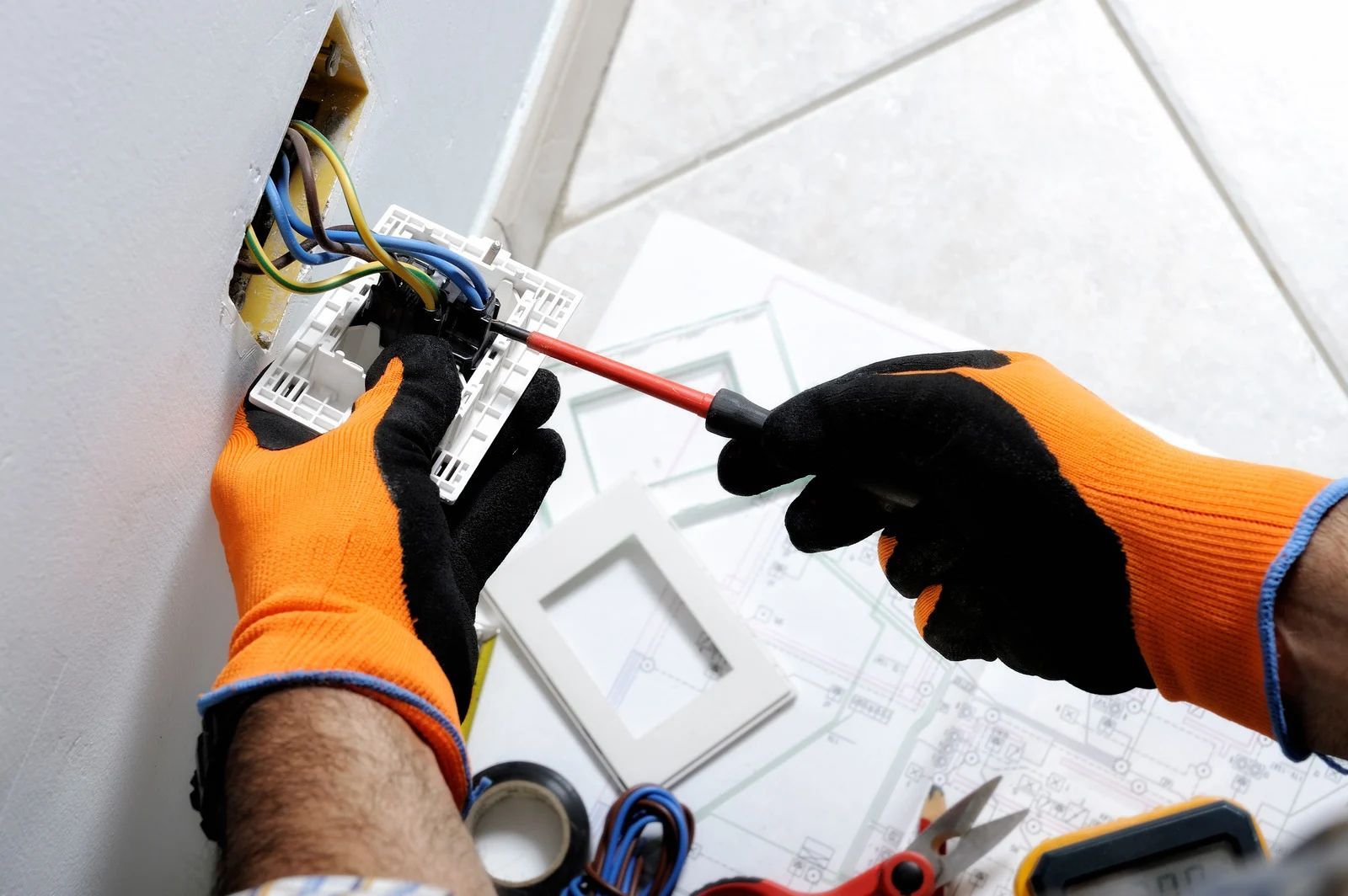
Gloved hands wiring an electrical outlet box with a screwdriver during home repair
May 11, 2026
Modern homes and commercial spaces rely heavily on safe and efficient electrical systems. From lighting and appliances to security systems and HVAC units, electricity powers everyday functionality. When electrical issues arise or new installations are required,
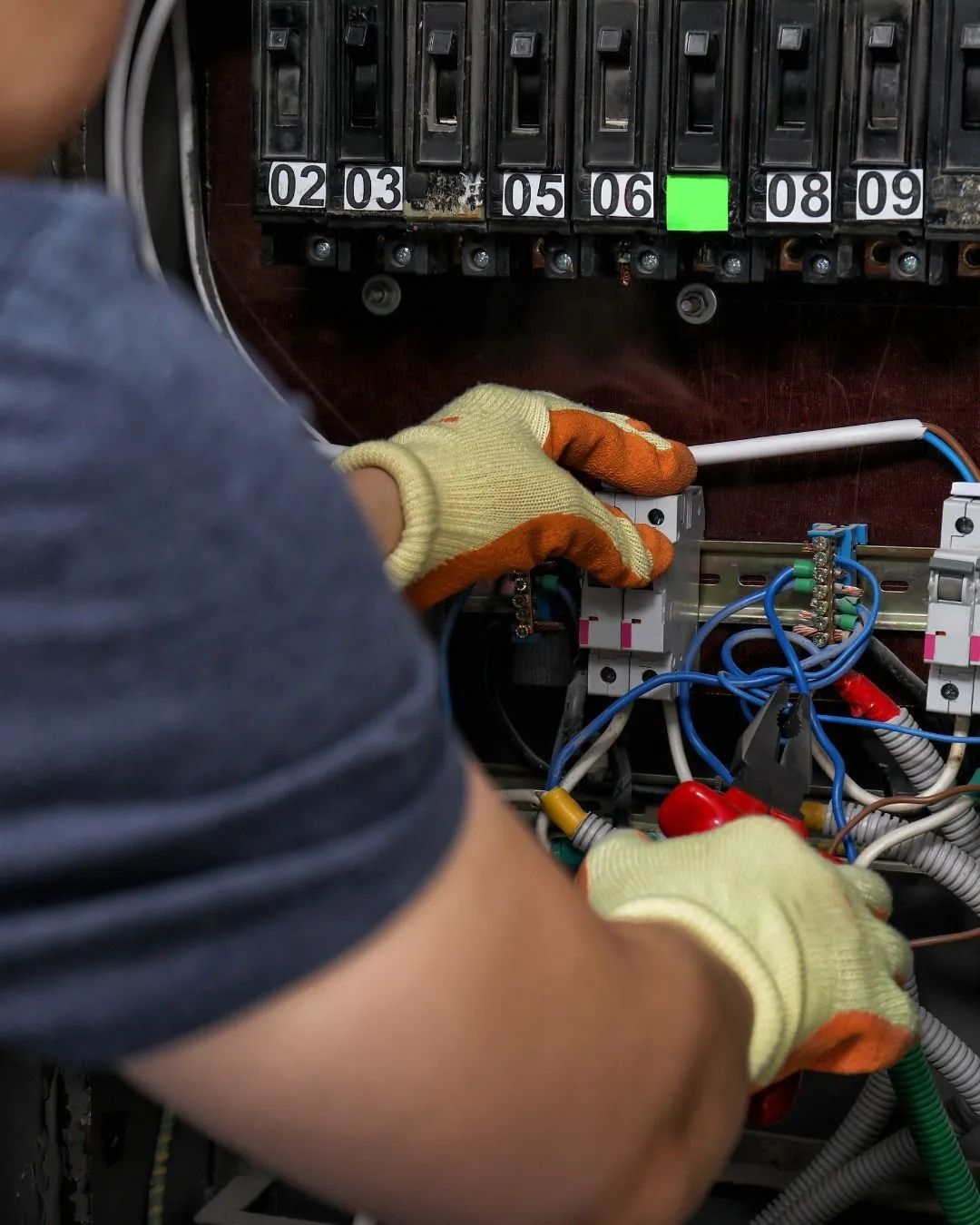
Gloved hands working inside an electrical panel with numbered switches and visible wiring
April 18, 2026
Electrical systems form the backbone of every modern residential, commercial, and industrial environment. From lighting and appliances to machinery and safety systems, reliable electricity ensures smooth daily operations.
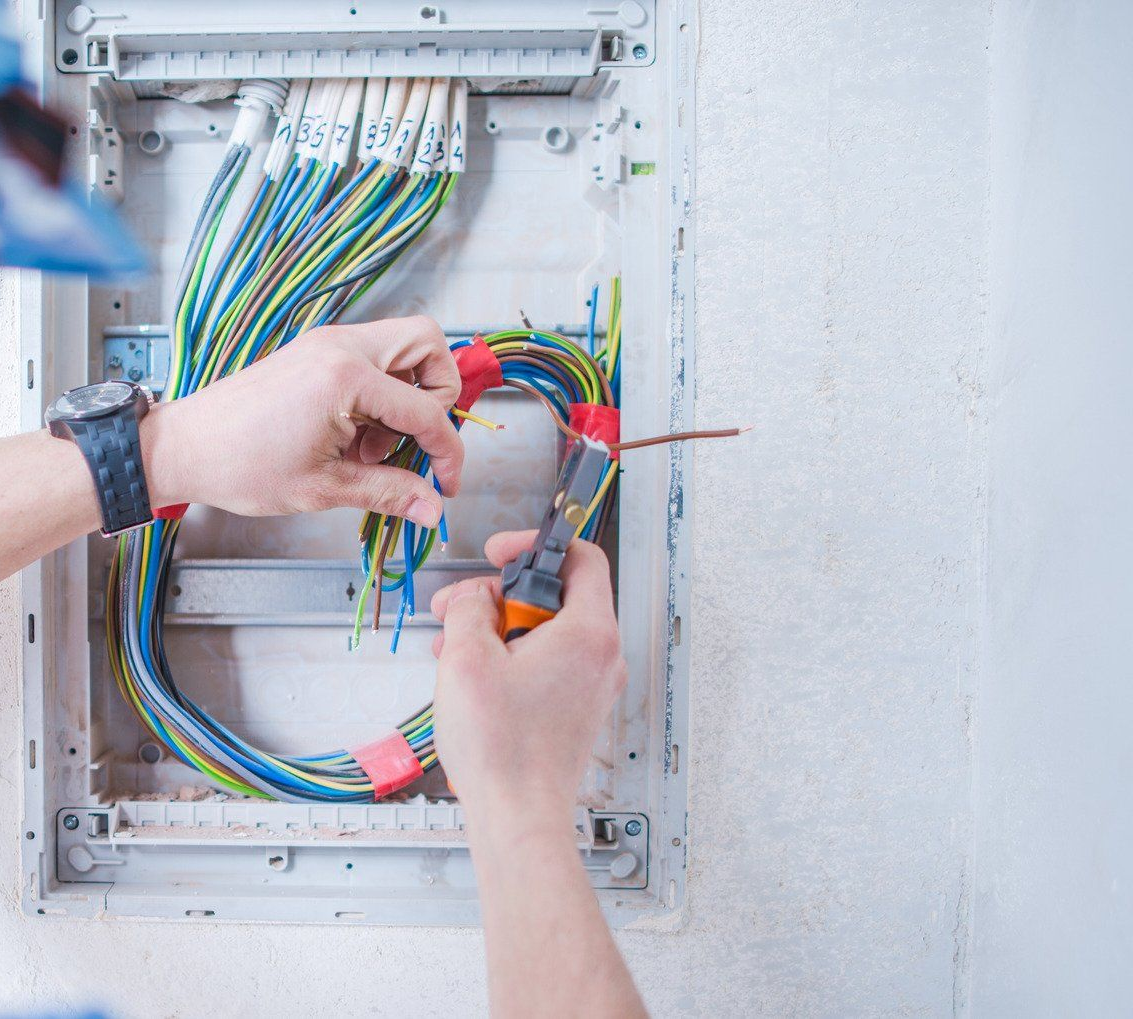
An electrician strips the insulation off a copper wire inside a residential electrical panel with many bundled cables.
March 26, 2026
Home remodeling projects are no longer limited to cosmetic upgrades such as new paint or flooring. Modern renovations often involve significant changes to a home’s structure, layout, and technology, all of which rely heavily on safe and efficient electrical systems.
Show More
Gloved hands wiring an electrical outlet box with a screwdriver during home repair
May 11, 2026
Modern homes and commercial spaces rely heavily on safe and efficient electrical systems. From lighting and appliances to security systems and HVAC units, electricity powers everyday functionality. When electrical issues arise or new installations are required,
Gloved hands working inside an electrical panel with numbered switches and visible wiring
April 18, 2026
Electrical systems form the backbone of every modern residential, commercial, and industrial environment. From lighting and appliances to machinery and safety systems, reliable electricity ensures smooth daily operations.
An electrician strips the insulation off a copper wire inside a residential electrical panel with many bundled cables.
March 26, 2026
Home remodeling projects are no longer limited to cosmetic upgrades such as new paint or flooring. Modern renovations often involve significant changes to a home’s structure, layout, and technology, all of which rely heavily on safe and efficient electrical systems.