How Regular Electrical Maintenance Prevents Costly Repairs?
April 18, 2026
Electrical systems form the backbone of every modern residential, commercial, and industrial environment. From lighting and appliances to machinery and safety systems, reliable electricity ensures smooth daily operations. However, these systems naturally degrade over time due to continuous load, environmental exposure, and component aging. Without proper attention, minor inefficiencies can evolve into major electrical failures, leading to expensive repairs, unexpected downtime, and even serious safety hazards in critical operations.
Regular electrical maintenance plays a critical role in identifying potential issues before they escalate. It ensures that wiring, circuits, panels, and connected devices function within safe and efficient parameters. When maintenance is performed consistently, performance stability improves, energy consumption is optimized, and system lifespan is significantly extended. In today’s fast-paced environments, where electrical demand continues to rise, preventive care is not optional but essential for long-term reliability and operational efficiency.
Understanding how regular electrical maintenance prevents costly repairs allows property owners and facility managers to make informed decisions that protect both infrastructure and financial investment. A structured maintenance approach reduces emergency breakdowns, enhances operational safety, and ensures compliance with electrical standards. Ultimately, proactive care strengthens system resilience and minimizes the risk of unexpected disruptions that can impact productivity and safety across all types of properties and facilities consistently.
Importance of Routine Electrical Maintenance
System Reliability and Performance Stability
Consistent electrical maintenance ensures stable system performance across all circuits and connected equipment. Loose connections, worn insulation, and overloaded circuits develop gradually, reducing efficiency long before visible failure occurs. By addressing these issues early, we maintain uninterrupted power flow and reduce sudden outage risks across all operations effectively.
Prevention of Progressive Electrical Deterioration
Electrical systems naturally experience wear due to heat, vibration, and load fluctuations. Without scheduled inspections, deterioration remains unnoticed until major components fail. Regular checks help us identify early signs of aging infrastructure, allowing timely intervention before replacement becomes necessary and ensuring continued operational stability throughout all electrical systems reliably.
Cost Avoidance Through Preventive Action
Preventive maintenance is significantly more cost-effective than emergency repairs. Small corrective actions, such as tightening connections or replacing minor components, help avoid expensive system-wide damage. When maintenance is prioritized, we reduce risks of cascading failures that often require extensive labor, materials, and unexpected operational shutdown expenses overall for safety.
Optimized Electrical Load Management
Balanced load distribution across circuits is essential for system longevity. Uneven load conditions lead to overheating and accelerated component failure. Through routine evaluation, we ensure electrical demand is properly managed, improving efficiency and reducing unnecessary strain on infrastructure over time across residential and commercial electrical systems, and overall stability.
Early Detection of Electrical Faults
Identifying Hidden Wiring Issues
Many electrical faults begin inside walls, panels, or concealed conduits where damage is not immediately visible. Regular inspections allow us to detect frayed wiring, corrosion, or insulation breakdown before issues escalate into dangerous failures. Early detection reduces the risk of extensive rewiring and structural damage across properties very effectively now.
Monitoring Circuit Overloads and Irregularities
Overloaded circuits are a common cause of electrical failures in residential and commercial settings. Through consistent testing and monitoring, we identify abnormal current flow and redistribute loads effectively. This prevents overheating and reduces chances of breaker trips or system shutdowns during peak operational demand periods system reliability.
Equipment and Component Testing
Electrical panels, breakers, outlets, and switches degrade over time. Routine testing ensures each component functions within safe operating limits. Faulty breakers or malfunctioning outlets can be replaced early, preventing system-wide disruptions and minimizing repair expenses in critical infrastructure environments overall. This approach significantly reduces long-term maintenance costs overall.
Use of Diagnostic Tools for Precision
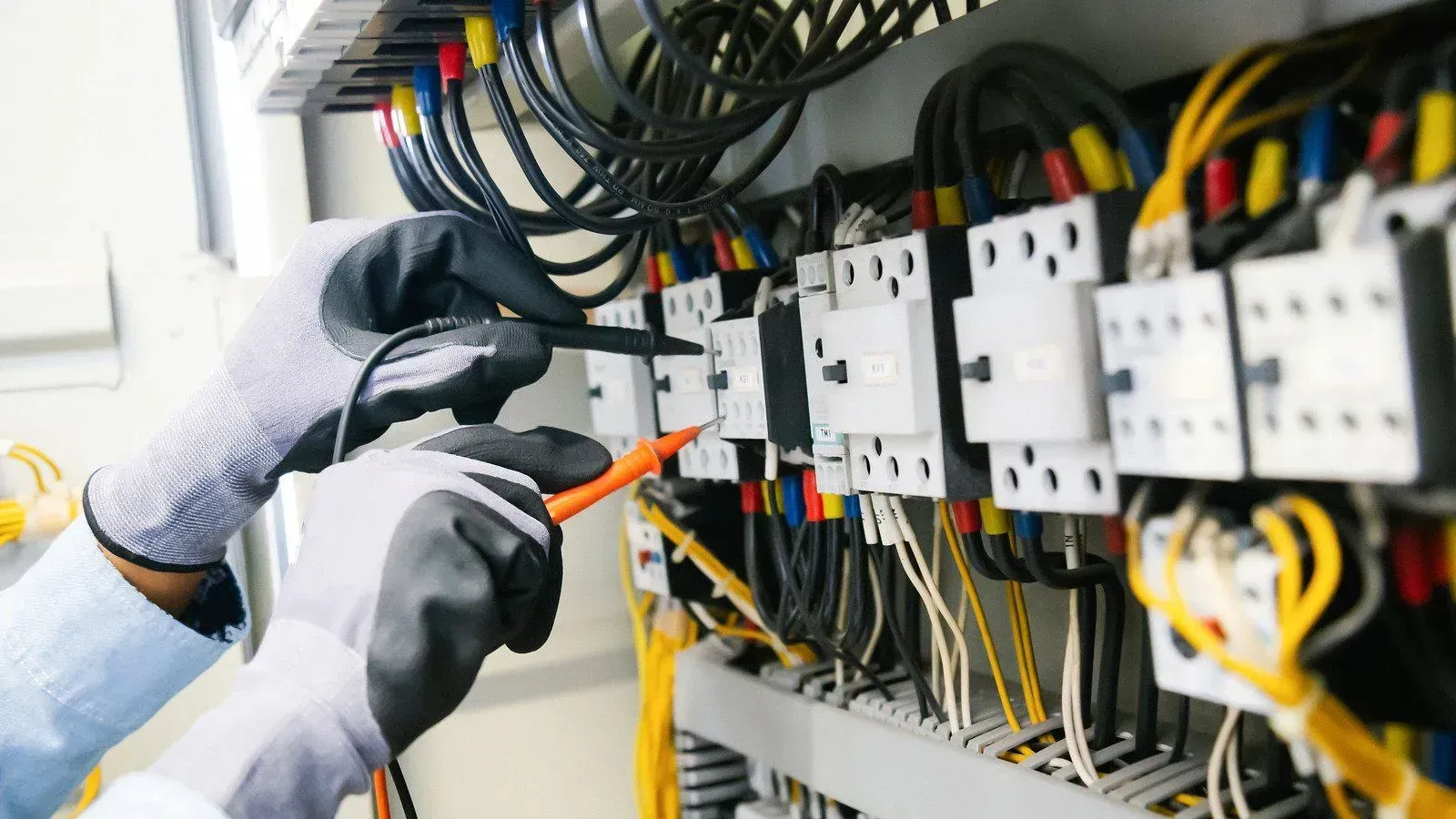
Advanced diagnostic tools such as thermal imaging and voltage testers allow us to identify inefficiencies not visible during standard inspections. These tools help pinpoint overheating components and energy leaks, enabling precise corrective actions before major faults develop in electrical systems, improving safety, reliability, efficiency, and long-term performance consistently.
Energy Efficiency and Cost Reduction
Reducing Energy Loss Through Maintenance
Electrical inefficiencies often result in hidden energy losses that increase utility bills over time. Poor connections, outdated wiring, and degraded components force systems to consume more power. Regular maintenance ensures optimal conductivity and reduces unnecessary energy waste in all installations, supporting efficiency and reducing operational costs long-term overall.
Enhancing Equipment Efficiency
Well-maintained electrical systems support appliances and machinery in operating at peak efficiency. When voltage levels are stable, and circuits are properly balanced, equipment performs better and consumes less energy, directly improving operational productivity in all environments, reducing costs while ensuring long-term reliable system performance overall consistently maintained systems.
Preventing Overheating and Power Waste
Overheating components not only pose safety risks but also contribute to energy loss. Maintenance helps identify heat buildup caused by resistance or faulty connections. Correcting these issues ensures smoother current flow and minimizes wasted electricity in critical systems, improving reliability, safety, and long-term efficiency outcomes across all systems.
Long-Term Financial Benefits
Energy-efficient systems reduce monthly utility expenses while extending the lifespan of electrical infrastructure. Over time, the savings generated through preventive maintenance significantly outweigh the cost of routine inspections, making maintenance a strategic investment rather than an operational expense, delivering measurable value and long-term financial stability for property owners.
Safety and Fire Risk Prevention
Reducing Electrical Fire Hazards
Faulty wiring and overloaded circuits are leading causes of electrical fires. Regular maintenance helps identify and eliminate these risks before they escalate. By ensuring proper insulation and secure connections, we significantly reduce fire hazards in residential and commercial properties, creating safer environments and preventing costly damage incidents overall safety.
Ensuring Compliance with Safety Standards
Electrical systems must adhere to established safety codes and regulations. Routine inspections help maintain compliance by ensuring installations meet required standards. This reduces liability risks and enhances overall safety for occupants and infrastructure systems, supporting legal adherence and long-term operational reliability across all environments with consistent monitoring practices.
Preventing Shock and Injury Risks
Damaged outlets, exposed wiring, and malfunctioning switches increase the risk of electrical shock. Maintenance allows us to detect these hazards early and implement corrective measures. This ensures safer environments for residential and commercial users in all settings, reducing injury risks and improving overall workplace safety outcomes consistently over time.
Strengthening Emergency Preparedness
Well-maintained systems respond more effectively during electrical faults or overloads. Properly functioning breakers and safety devices help isolate issues quickly, preventing widespread damage and improving system resilience during unexpected events, ensuring faster recovery and reduced operational disruption in critical situations across residential, commercial, and industrial environments, and consistently overall preparedness.
Long-Term Asset Protection and System Longevity
Extending Equipment Lifespan
Electrical components that receive regular maintenance operate under reduced stress, significantly extending their lifespan. Preventing minor issues from escalating helps avoid premature replacement of costly infrastructure systems in all applications, supporting long-term reliability and reducing capital expenditure requirements for sustainable system performance and asset management efficiency overall effectiveness.
Protecting Property Investments
Electrical systems are a major part of any property’s value. Maintaining them ensures long-term structural integrity and reduces depreciation caused by neglect, protecting residential and commercial investments over time, supporting financial security, and enhancing overall asset value retention through proactive maintenance and consistent system care practices long-term.
Supporting Future Expansion Needs
Well-maintained systems are easier to upgrade or expand. Clean, organized, and properly functioning electrical infrastructure allows for seamless integration of new technologies without major redesign or replacement requirements, supporting scalable growth and improved operational flexibility across evolving systems while ensuring long-term adaptability and system reliability in all stages.
Reducing Downtime and Operational Losses
Unexpected electrical failures can lead to significant downtime in business environments. Preventive maintenance minimizes these disruptions, ensuring continuous operations and reducing financial losses associated with system outages in critical facilities, improving reliability and ensuring business continuity across all operations through consistent maintenance and proactive system monitoring practices, overall efficiency.
Trusted Expert Approach to Electrical Maintenance Excellence
Regular electrical maintenance plays a vital role in preventing system failures, reducing repair costs, and improving overall safety. By identifying faults early, optimizing energy use, and ensuring compliance with safety standards, we create more reliable and efficient electrical systems. Preventive care also extends equipment lifespan and minimizes the risk of unexpected breakdowns that can disrupt daily operations and lead to expensive emergency repairs. Consistent maintenance is not simply a technical requirement but a strategic approach to protecting both property and financial resources. It also enhances system predictability, allowing better planning of maintenance schedules and reducing operational uncertainty across all types of facilities.
Proactive maintenance practices strengthen system performance and ensure long-term stability across residential, commercial, and industrial environments. Prioritizing inspections and timely interventions helps maintain safe, efficient, and durable electrical infrastructure. Legends Electric
operates as a trusted Electrical Contractor based in Sarasota, Florida, with over 15
years of hands-on experience in delivering dependable electrical solutions. Strong technical expertise, commitment to safety standards, and consistent service quality define every project handled. Reliable maintenance practices and customer-focused solutions ensure electrical systems remain efficient, compliant, and built for long-term performance across diverse applications. This commitment allows us to support clients with dependable service outcomes, ensuring every system operates with maximum safety, efficiency, and long-term reliability.