How Surge Protection Safeguards Your Home and Appliances?
December 22, 2025
In today’s technology-driven households, electronic devices and appliances have become indispensable. From refrigerators and washing machines to computers, smart home devices, and entertainment systems, modern homes rely heavily on electricity to function efficiently. Yet, despite their essential role, these devices remain vulnerable to sudden electrical disturbances. Power surges—rapid, short bursts of excessive voltage—pose a significant risk to household electronics, often resulting in permanent damage, costly repairs, or even safety hazards. As the demand for electricity grows, so does the likelihood of encountering these unexpected surges, making surge protection an increasingly critical aspect of home electrical management.
Understanding surge protection and its benefits is not merely a technical consideration but a proactive strategy to safeguard valuable investments and ensure the safety of your home. Proper surge protection solutions can shield appliances from damage caused by lightning strikes, faulty wiring, or fluctuations in utility supply. By integrating surge protection into your home electrical system, homeowners can prevent inconvenient disruptions, extend the lifespan of appliances, and maintain overall household safety. In this comprehensive guide, we explore how surge protection works, its types, practical implementation strategies, and the key advantages it brings to modern homes.
Understanding Electrical Surges and Their Impact
What Is a Power Surge?
A power surge is a sudden increase in electrical voltage that exceeds the standard level, typically 120 volts in residential settings. Surges can occur in milliseconds, making them difficult to detect yet potentially destructive. While small, short-lived voltage spikes may go unnoticed, larger surges can overload circuits, fry sensitive electronics, and even damage wiring within walls.
Common Causes of Electrical Surges
Lightning Strikes
A direct or nearby lightning strike can inject thousands of volts into a home’s electrical system, overwhelming devices and causing catastrophic damage.
Faulty Wiring
Aging or improperly installed electrical systems are prone to short circuits and voltage fluctuations, increasing the risk of surges.
Utility Grid Fluctuations
Power companies occasionally experience sudden shifts in voltage due to equipment failure, grid switching, or maintenance activities.
High-Powered Appliances
Appliances such as air conditioners, refrigerators, or industrial machinery can create brief voltage spikes when they cycle on or off.
Consequences for Homes and Appliances
The effects of power surges are often underestimated. Common issues include malfunctioning electronics, degraded performance over time, data loss, and in extreme cases, fire hazards. For homeowners, the financial impact of replacing damaged devices or repairing electrical systems can be significant. Moreover, the inconvenience of sudden appliance failure disrupts daily life and can compromise essential household functions, such as refrigeration, lighting, or internet connectivity.
Types of Surge Protection Devices
Whole-House Surge Protectors
Overview
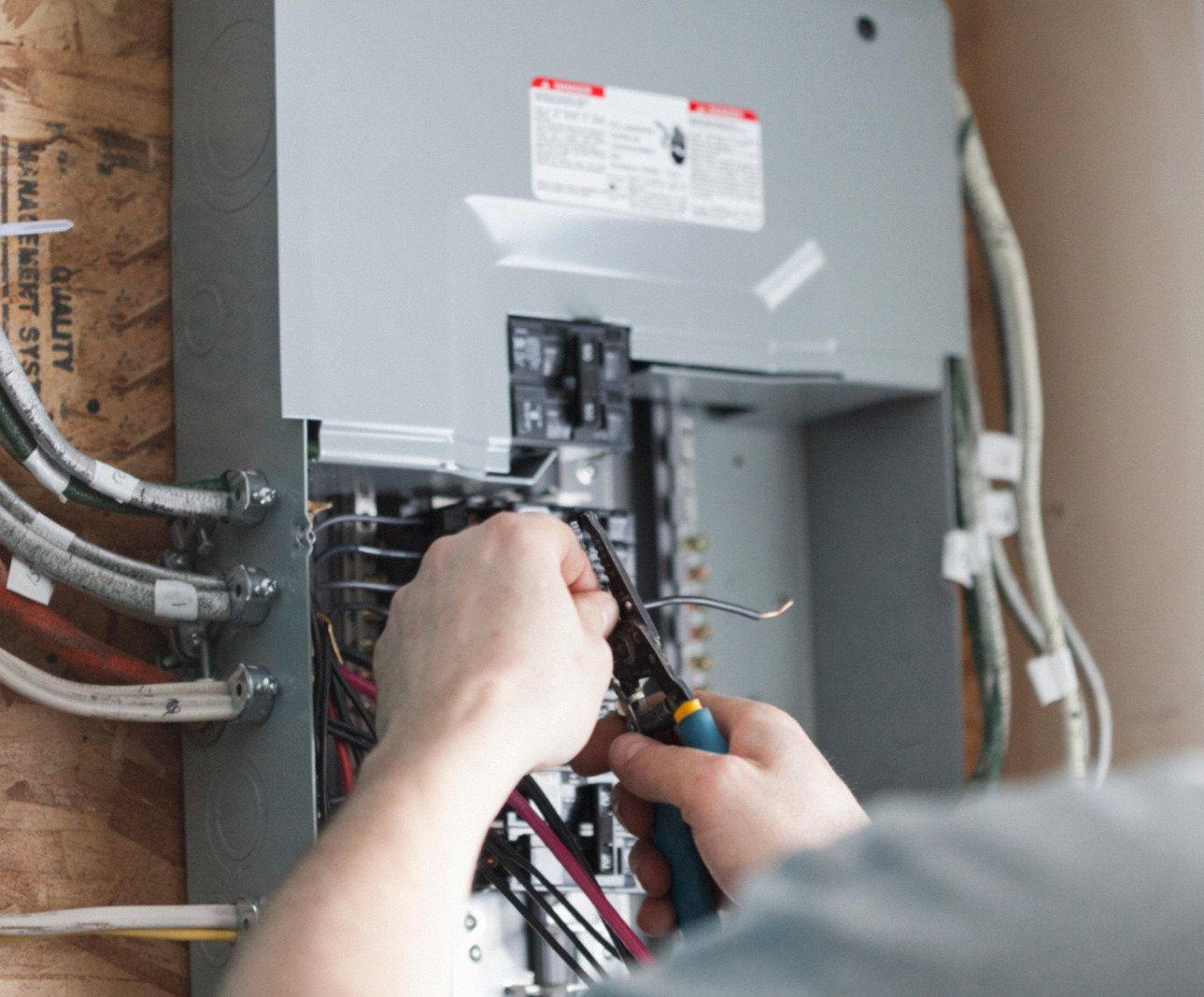
Whole-house surge protectors are installed directly at the electrical panel, serving as the first line of defense against voltage spikes.
Benefits
- Protects all home circuits simultaneously.
- Reduces stress on individual appliances.
- Offers long-term, comprehensive coverage.
Example Scenario
A lightning strike hits a nearby power line. Instead of surging into every outlet, the whole-house surge protector absorbs the excess voltage, preventing damage to kitchen appliances, computers, and HVAC systems.
Point-of-Use Surge Protectors
Overview
These are plug-in devices designed to protect individual electronics, such as computers, televisions, or gaming consoles.
Benefits
- Affordable and easy to install.
- Provides localized protection for high-value devices.
- Ideal for electronics with sensitive microchips.
Example Scenario
A small voltage spike from the grid could fry a home office computer. A point-of-use surge protector blocks the spike, ensuring continued operation and protecting data integrity.
Combination Protection Strategies
For optimal protection, many homeowners adopt a combination of whole-house and point-of-use surge protectors. This layered approach addresses both large-scale voltage events and localized spikes, maximizing appliance longevity and household safety.
How Surge Protection Enhances Appliance Lifespan
Preventing Immediate Damage
Electrical surges can instantly destroy sensitive components in modern appliances. Surge protection intercepts excess voltage, ensuring devices operate within safe electrical parameters. This is particularly critical for electronics like computers, smart TVs, and home automation systems, which often contain delicate circuits.
Reducing Long-Term Wear
Repeated exposure to minor surges, even if they do not cause immediate failure, gradually degrades electronic components. Over time, this results in reduced efficiency, shortened lifespan, and increased repair needs. Proper surge protection minimizes this wear, maintaining optimal performance and reducing maintenance costs.
Safeguarding Smart Home Systems
Smart homes integrate multiple interconnected devices that rely on stable electrical supply. A single unprotected surge can disrupt an entire smart ecosystem, leading to malfunctioning security cameras, smart thermostats, or voice assistants. Surge protection preserves system integrity and ensures consistent operation across all devices.
Best Practices for Installing Surge Protection
Assessing Your Home’s Electrical System
Before installing surge protection devices, homeowners should evaluate their electrical system’s capacity, age, and condition. This assessment helps determine the appropriate type and number of devices needed. Consulting with a licensed electrician ensures that the installation aligns with safety codes and maximizes protection.
Strategic Placement of Devices
At the Main Panel
Whole-house surge protectors installed at the breaker panel shield all circuits.
At High-Risk Outlets
Sensitive electronics benefit from additional point-of-use protectors near computers, entertainment centers, and office equipment.
Near Heavy Appliances
Air conditioners, refrigerators, and laundry machines often generate internal surges; localized protection can prevent internal component damage.
Regular Maintenance and Monitoring
Surge protection devices can degrade over time, particularly after absorbing large surges. Homeowners should inspect devices periodically, replace worn-out units, and consider monitoring options with built-in indicators to ensure ongoing protection.
Real-World Scenarios Highlighting the Importance
Scenario 1:
Lightning Strike Prevention
A Sarasota homeowner experienced a lightning strike nearby during a summer storm. The surge traveled through the electrical lines, reaching the home’s circuit panel. Thanks to a whole-house surge protector, the excess voltage was diverted safely, preventing damage to the refrigerator, HVAC system, and home entertainment devices. This incident underscores the critical role of surge protection in safeguarding high-value household assets.
Scenario 2:
Appliance Longevity in Daily Use
In many homes, refrigerators, washing machines, and HVAC systems cycle frequently, causing minor voltage fluctuations. Over time, these surges can degrade motors and electronic control boards. Homeowners using surge protection devices notice fewer repairs, improved appliance efficiency, and extended product life, translating to cost savings and reduced disruption.
Scenario 3:
Smart Home Continuity
Consider a home equipped with smart lighting, security cameras, and thermostats. Even small surges can corrupt programming or damage networked devices. Proper surge protection ensures these systems remain functional, maintaining home security and energy efficiency without frequent technical interventions.
Challenges and Considerations
Cost vs. Protection
While surge protection devices involve upfront costs, they are minor compared to the potential replacement or repair expenses for damaged appliances. Homeowners should view surge protection as an investment rather than an optional upgrade.
Compatibility and Electrical Load
Not all surge protectors are suitable for every home. Factors such as electrical panel capacity, home size, and the number of high-powered appliances influence device selection. Consulting with qualified electricians ensures compatibility and avoids overloading circuits.
Environmental Factors
Areas prone to lightning strikes, power grid instability, or frequent storms may require higher-rated surge protection systems. Evaluating local risk factors allows homeowners to tailor solutions to their specific environment, balancing cost with coverage effectiveness.
Expert Tips for Optimal Surge Protection
Layer Your Protection
Combine whole-house and point-of-use devices to cover both widespread and localized surges.
Prioritize Sensitive Electronics
Protect devices with microprocessors or digital displays first, as they are most vulnerable.
Use Indicator Lights
Devices with built-in indicators provide real-time feedback on protection status, helping homeowners replace or service units when needed.
Plan for Future Upgrades
New appliances and smart devices may increase the electrical load. Ensure surge protection systems can accommodate future expansions.
Regular Inspection
Periodically check for signs of wear, discoloration, or damage to protectors, particularly after storms or power outages.
Benefits of Surge Protection for Modern Homes
Financial Savings
Preventing appliance damage reduces replacement costs and minimizes repair expenses. Considering that modern electronics often cost hundreds or thousands of dollars, surge protection offers substantial financial protection.
Enhanced Safety
Surges can create electrical hazards, including fires and shocks. Properly installed surge protection mitigates these risks, safeguarding family members and pets.
Peace of Mind
Knowing that home systems, appliances, and sensitive electronics are shielded from unpredictable surges allows homeowners to focus on daily life without the constant worry of electrical damage.
Environmental Impact
By extending the lifespan of appliances and reducing waste from damaged electronics, surge protection contributes to sustainable living practices, minimizing the environmental footprint associated with electronic disposal.
Protecting Electronics With Smart Surge Prevention Strategies
Electrical surges present a significant threat to modern homes, appliances, and electronic systems. Understanding the sources, types, and potential consequences of surges is crucial for homeowners who wish to protect their investments and ensure household safety. By implementing surge protection devices, from whole-house systems to point-of-use protectors, homeowners can prevent immediate damage, reduce long-term wear, and maintain the operational integrity of smart home systems. Strategic placement, regular maintenance, and expert consultation further enhance the effectiveness of these protective measures.
For homeowners in Sarasota, Florida, seeking reliable surge protection services, Legends Electric
stands as a trusted authority with 15
years of experience in
residential electrical solutions. Our team specializes in assessing home electrical systems, recommending tailored surge protection strategies, and professionally installing devices to safeguard your appliances and electronics. With a commitment to safety, quality, and customer satisfaction, Legends Electric
ensures your home remains protected against unpredictable electrical events. Trust our expertise to secure your home, extend appliance lifespan, and provide peace of mind for years to come.