Why Backup Generators Are Essential for Modern Homes?
February 23, 2026
In today’s rapidly evolving world, uninterrupted access to electricity is no longer a luxury—it’s a necessity. Modern homes are increasingly reliant on electricity to power essential systems, from heating and cooling units to smart appliances, security devices, and home offices. Even a brief power outage can disrupt daily routines, compromise safety, and cause significant financial or material loss. The growing frequency of extreme weather events, aging electrical grids, and unexpected technical failures highlights the importance of having a reliable backup power solution. For homeowners, ensuring continuous power supply is not just about convenience; it’s about resilience, security, and peace of mind.
Backup generators have emerged as a cornerstone solution for modern homes, offering a practical and dependable response to power interruptions. Unlike temporary measures such as battery backups or portable devices, backup generators provide sustained electricity to meet the demands of a full household. From maintaining critical appliances to supporting emergency systems, these devices have become integral to modern residential infrastructure. Understanding why backup generators are essential allows homeowners to make informed decisions that protect both their property and their lifestyle in an increasingly unpredictable energy landscape.
The Growing Need for Backup Power in Modern Homes
Increasing Dependence on Electricity
Modern homes are equipped with a myriad of electrical systems that go beyond basic lighting and appliances. Heating, ventilation, and air conditioning (HVAC) units regulate comfort year-round, while refrigeration systems preserve perishable goods. Smart home devices, including security cameras, door locks, and voice-activated assistants, rely entirely on continuous power. Work-from-home setups further amplify dependency, as internet routers, computers, and peripheral devices cannot function without electricity.
Vulnerability of Electrical Grids
Despite advances in energy infrastructure, the stability of electrical grids remains vulnerable. Severe weather events such as hurricanes, snowstorms, and flooding can damage transmission lines and substations. Additionally, aging infrastructure in many regions is prone to failures, leaving communities without power for hours or days. Localized issues, such as vehicular accidents or construction damage to power lines, can also result in sudden outages.
How Backup Generators Protect Homes
Continuity of Critical Systems
Backup generators ensure that critical home systems remain operational during power outages. For instance, HVAC units maintain comfortable and safe temperatures, preventing heat-related illnesses during summer or freezing conditions in winter. Refrigerators and freezers continue to preserve food, reducing the risk of spoilage. Medical devices, such as oxygen concentrators or electrically powered mobility aids, remain functional, safeguarding vulnerable household members.
Security and Communication Maintenance
A power outage can compromise home security systems, leaving properties exposed to potential intrusions. Alarm systems, surveillance cameras, and smart locks rely on electricity to operate effectively. Backup generators ensure these systems remain active, maintaining security integrity. Additionally, internet and communication networks continue to function, allowing residents to stay informed, contact emergency services, and coordinate with family members. The ability to maintain security and communication underscores the comprehensive protection that backup generators offer.
Types of Backup Generators for Residential Use
Standby Generators
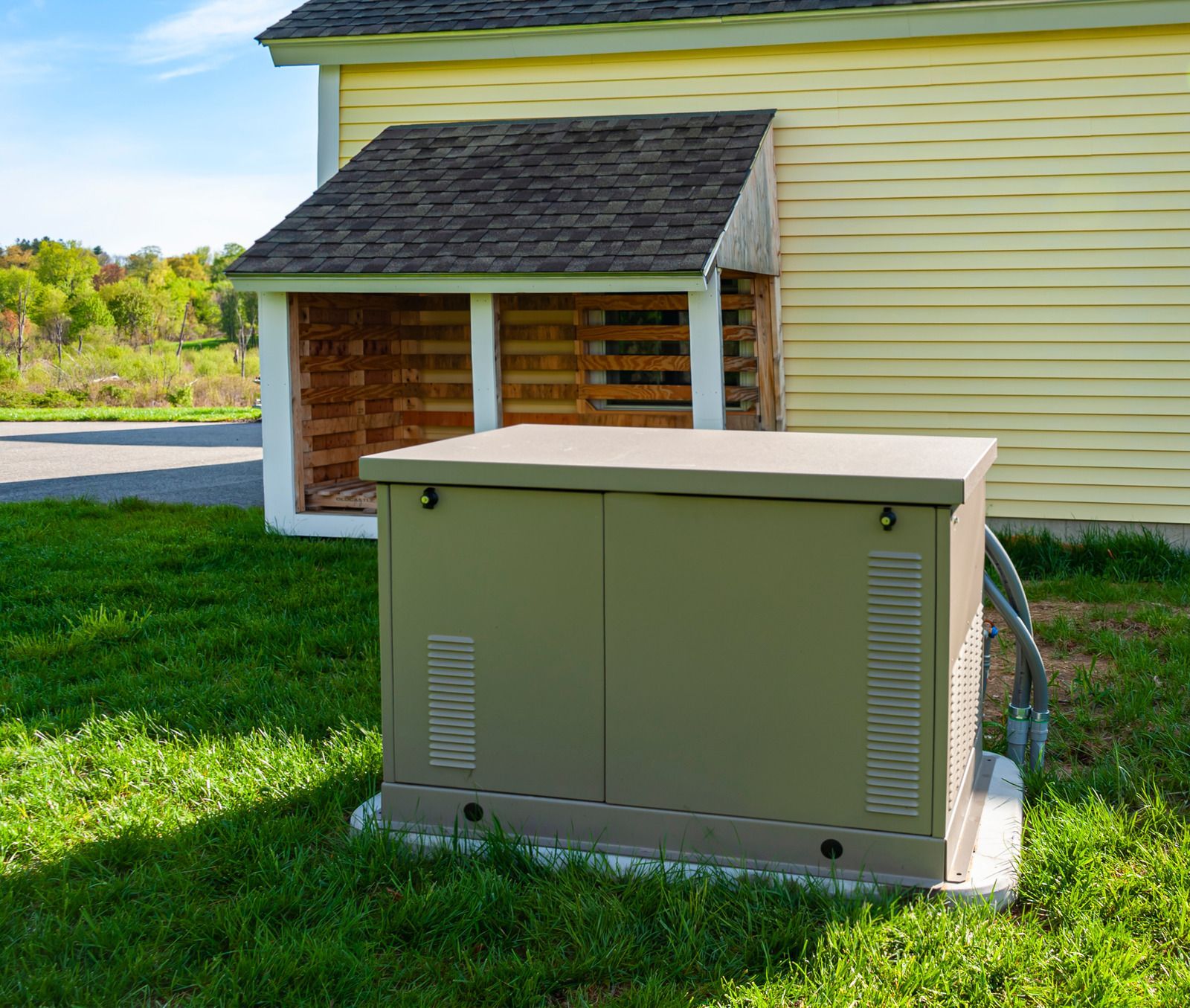
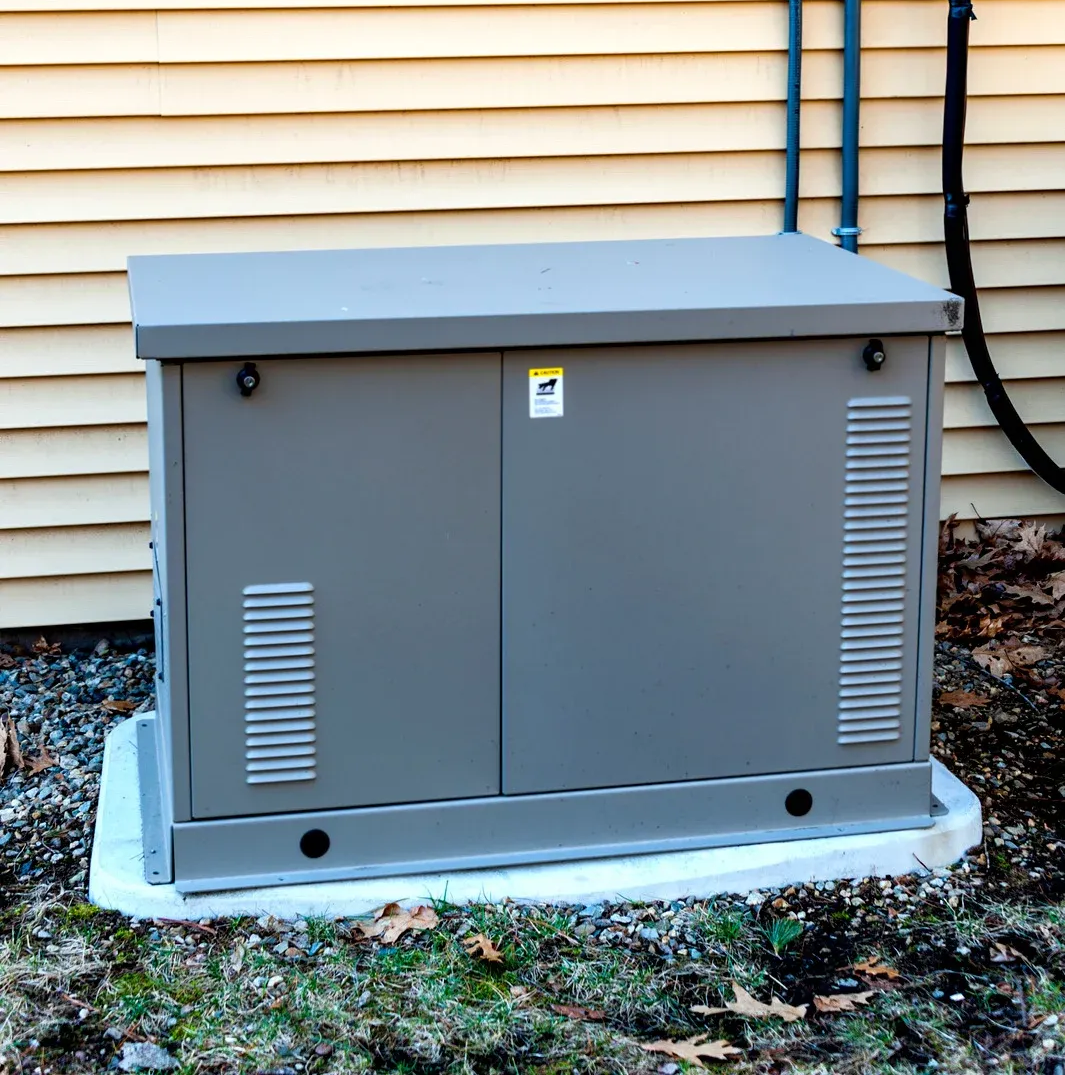
Standby generators are permanently installed systems connected to a home’s electrical panel. They operate automatically during power outages and run on natural gas or propane. Because they are integrated into the home’s infrastructure, standby generators provide seamless power transfer with minimal disruption. Their capacity can support entire households, making them suitable for families seeking uninterrupted electricity for all appliances and systems.
Portable Generators
Portable generators offer flexibility and cost-efficiency for homeowners who require temporary backup power. These units can be relocated based on need and typically run on gasoline or diesel. While they do not provide the same level of automation as standby generators, they are ideal for powering essential appliances, tools, or limited circuits during brief outages. Portable generators are a practical solution for homes with smaller power requirements or for those seeking a more affordable entry point into backup power.
Inverter Generators
Inverter generators are advanced portable units that provide stable, high-quality electricity suitable for sensitive electronic devices. Unlike conventional generators, they produce consistent voltage and frequency, reducing the risk of damage to computers, smart appliances, and home entertainment systems. While typically smaller in capacity than standby generators, inverter models are energy-efficient, quieter, and increasingly popular for homeowners with tech-driven households.
Benefits of Installing a Backup Generator
Reliability and Peace of Mind
One of the most significant advantages of backup generators is the reliability they provide. Homeowners no longer need to worry about unexpected outages disrupting daily life. Knowing that essential systems and devices will remain operational instills confidence and reduces stress during emergency situations. This peace of mind is especially valuable for families with young children, elderly members, or individuals with health concerns.
Protection Against Financial Loss
Power outages can result in tangible financial consequences. Food spoilage, frozen pipes, or damage to electronics during outages can be costly. For homeowners running home offices or businesses from their residence, downtime can lead to lost income and productivity. Backup generators mitigate these risks by ensuring continuous power, protecting both property and finances from preventable losses.
Enhanced Home Value
Installing a backup generator can increase a property’s market appeal. Potential buyers recognize the value of a home equipped with a reliable emergency power source. In regions prone to frequent outages or severe weather, this feature can differentiate a home in a competitive real estate market. Beyond immediate utility, a generator represents an investment in long-term home resilience.
Challenges and Considerations
Initial Investment and Maintenance
While backup generators offer substantial benefits, homeowners must consider the upfront costs of purchase and installation. Standby generators, in particular, require professional installation, which adds to initial expenses. Additionally, ongoing maintenance—such as fuel management, oil changes, and periodic system testing—is essential to ensure reliable performance. Awareness of these responsibilities helps homeowners plan effectively and avoid unexpected system failures.
Fuel Availability and Storage
Different types of generators require varying fuel sources, including gasoline, diesel, propane, or natural gas. Homeowners must evaluate fuel availability and storage considerations. Gasoline and diesel require careful storage and periodic replacement to remain usable, while natural gas and propane offer more stable, long-term supply options. Understanding fuel logistics is critical to maintaining operational readiness during emergencies.
Noise and Environmental Impact
Generators, particularly conventional portable units, can generate significant noise and emissions. Homeowners should consider placement, noise reduction measures, and environmental regulations. Inverter and standby models often provide quieter, cleaner operation, making them more suitable for densely populated neighborhoods. Thoughtful planning can minimize environmental impact while maximizing the generator’s utility.
Best Practices for Generator Use
Professional Installation and Inspection
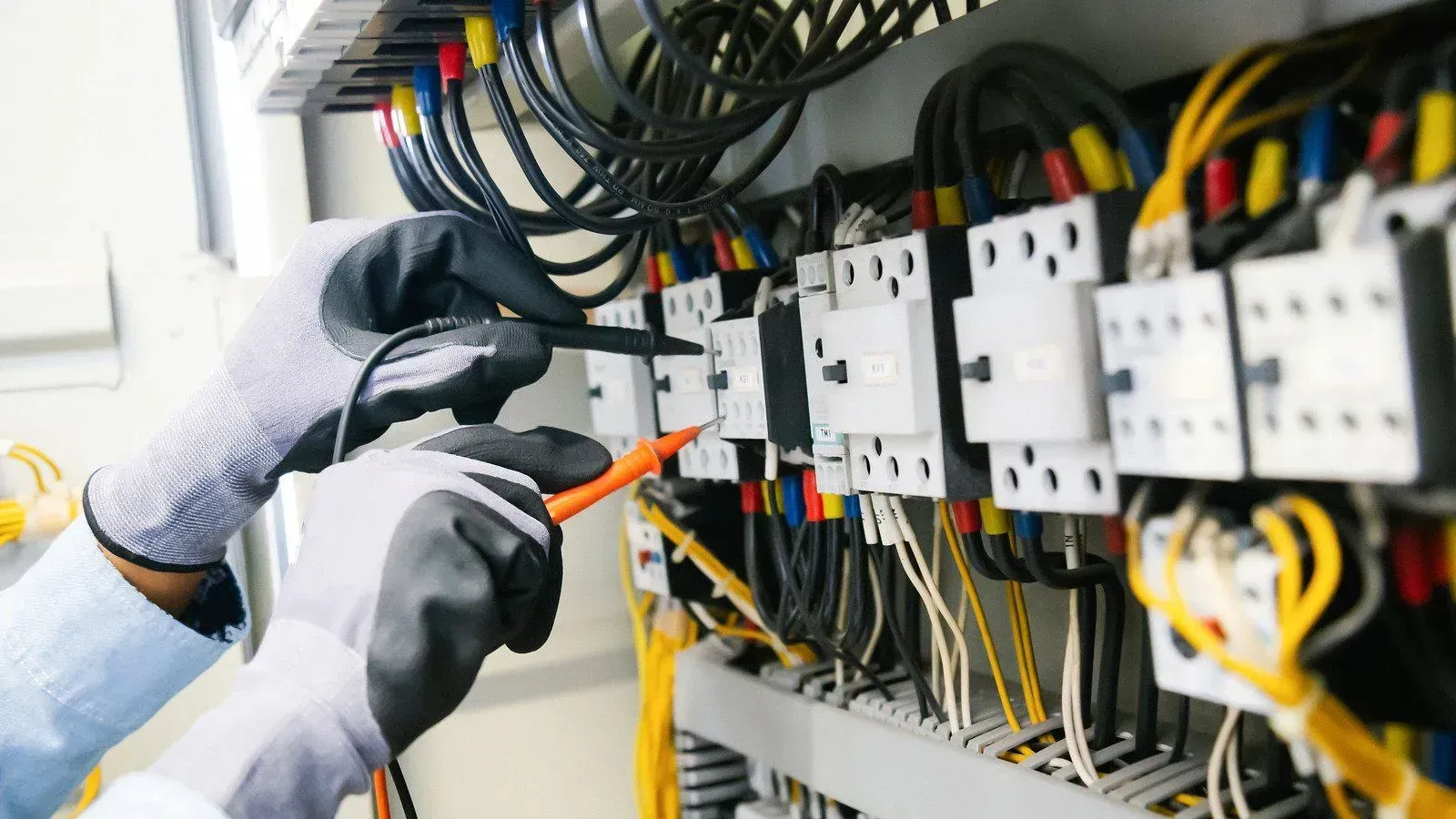
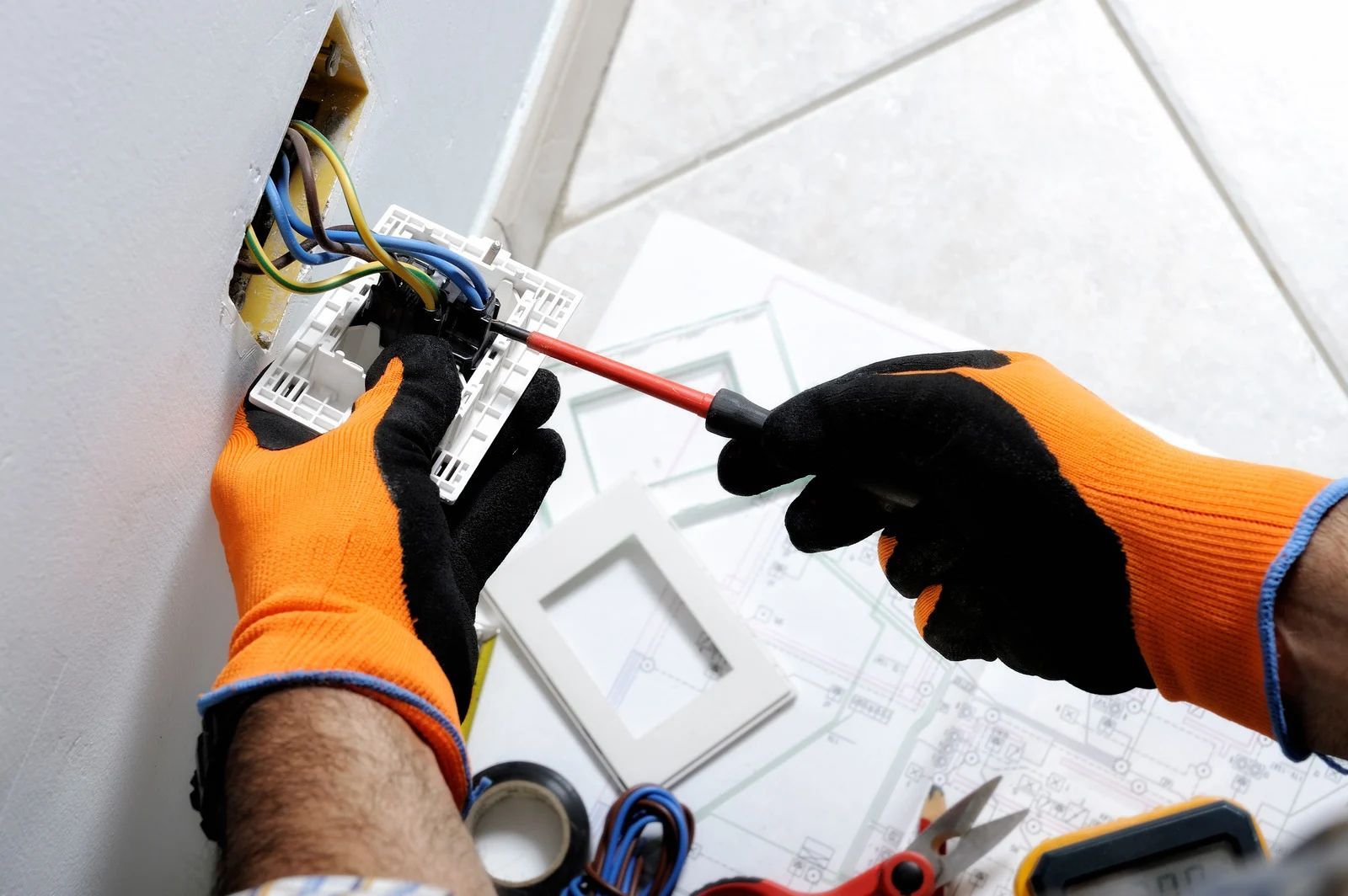
For standby generators, professional installation is essential to ensure safety, compliance with local codes, and seamless integration with the home’s electrical system. Annual inspections and routine maintenance by certified technicians help identify potential issues before they compromise reliability. Proper installation also reduces the risk of hazards such as carbon monoxide buildup or electrical faults.
Regular Testing and Fuel Management
Generators should be tested periodically, even when not in active use, to ensure they are ready during emergencies. Running the unit under load conditions simulates real-world scenarios and helps identify performance issues. Additionally, proper fuel management—monitoring levels, rotating stock, and following storage guidelines—ensures the generator remains operational when needed most.
Strategic Placement and Safety Measures
Generator placement is crucial for safe and effective operation. Units should be positioned outdoors, away from windows, doors, and vents, to prevent carbon monoxide exposure. Adequate ventilation, weather protection, and accessibility for maintenance are essential considerations. For portable generators, extension cords and transfer switches must be appropriately rated to prevent electrical hazards. Following manufacturer guidelines and safety regulations ensures both protection and longevity.
Real-World Scenarios Highlighting the Importance of Generators
Extreme Weather Events
Hurricanes, ice storms, and flooding events can leave communities without power for extended periods. Homes with backup generators can maintain critical systems such as refrigeration, heating, and lighting, protecting residents from health risks and property damage. In many instances, generators have enabled families to continue normal routines, even when entire neighborhoods were without electricity.
Power Grid Failures
Electrical grids can experience failures unrelated to weather, including equipment malfunctions or accidents. Homeowners reliant solely on the grid may face unexpected downtime. Backup generators provide an immediate, automated response, ensuring uninterrupted power supply and reducing dependence on external utilities.
Emergency Medical Needs
For households with members who rely on medical devices, backup power is not optional—it is life-saving. Oxygen concentrators, dialysis machines, or home ventilators require continuous electricity. Backup generators provide an essential safeguard, ensuring that medical care remains uninterrupted during outages.
Professional Generator Installation and Maintenance You Can Rely On
Backup generators are no longer just an optional convenience; they are a critical component of modern home infrastructure. From safeguarding essential appliances and medical devices to maintaining security systems and work-from-home setups, generators provide reliability, peace of mind, and financial protection. By understanding the types of generators, their benefits, challenges, and best practices, homeowners can make informed decisions that enhance resilience and comfort.
For homeowners in Sarasota and surrounding areas, partnering with experienced professionals ensures optimal
generator selection, installation, and maintenance. Legends Electric, an established electrical contractor with over 15
years of experience, specializes in providing dependable backup power solutions for modern residences. Our team combines technical expertise, industry knowledge, and personalized service to deliver safe, efficient, and reliable generator systems. Whether it’s installation, routine inspections, or emergency support, Legends Electric
is committed to helping homeowners maintain uninterrupted power, protect their property, and enjoy peace of mind in every situation.